
Thinking outside of the ChessBox
There is a design in the chaos. When everything is scattered, we thrive on structure. Not because it is the right way, but because it makes the most sense to our ever-trained minds. We build hierarchies in every field we engage with, so naturally, chess follows the same system. The chessboard, precisely. A sense of security found in the strict 64-square geometry that helps us navigate life on the board more easily.
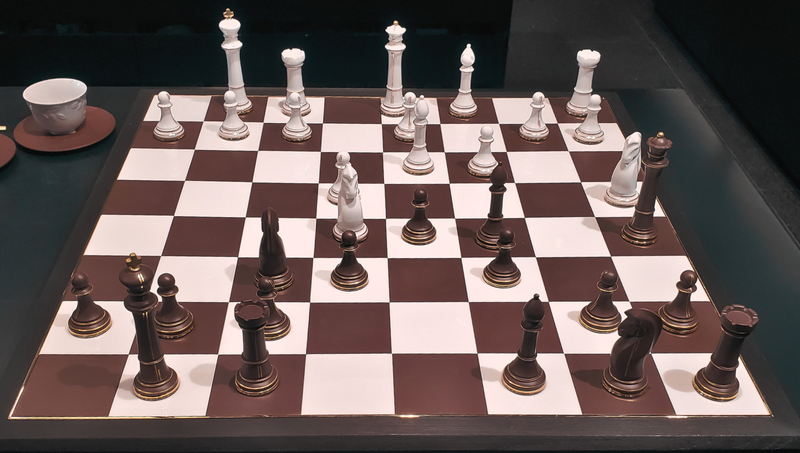
We train the anticipation gene, visualize what comes next, and grow addicted to victory when the game of prediction lands in our favour. Chess appears as just another microsystem where logic and intuition coexist without conflict. Naturally connected. The 8×8 grid teaches patterns, decision-making, and the strange comfort of knowing there are limits you consciously choose to embrace. The holy grail of the game is exactly that: its strength lies in a box that contains everything.
When it comes to the chess world, the board is not metaphorical. The box is literal. The geometry leads to clear patterns, each piece carrying rules that never change: the pawns slowly sliding forward, the bishops clinging to diagonals, the knights breaking standard patterns by bending the L-shape, the rooks living their lives straightward, the queen enjoying paradoxical freedom in a limited environment, and the king pretending to be the center of the game. Every opening principle we learn – develop minor pieces first, control the center, castle for safety – becomes another layer of structure we internalize so we can perform better. It’s all a performance after all, so that the endgame leads to the passed pawn and checkmate. Before we realize we shape the board with our ideas, the board has already shaped us by teaching us its nuances.
Inside that constraint, pieces become expressive, moving through ranks, files, and diagonals, creating imbalances and contributing to the rich life that grows within the board’s strict design. Yet the moment you look beyond the box’s edges, the illusion of control fades. As self-proclaimed controllers of chaos, we are rarely seeing as far ahead as we imagine. Shortsighted at best.
The ChessBox doesn’t only offer the room for shaping moves, it also trains the minds behind them. That’s how we sometimes end up with a world fixed, predictable, and boringly mapped to its inevitable end. Our thinking adapts to such limitations and edges. Every idea we come up with is followed by the assumption that the borders stop us from expanding. If you step outside, you lose the match. At least that’s the fragile monologue we like to repeat. The majority of people thrive on life like this: stable, measurable, safe. A textbook explanation of how the mysteries of life should unfold.
Yet thinking outside the ChessBox doesn’t mean abandoning structure. Perhaps it means breaking a principle coined a century ago, challenging the creators of strict design, or playing something that looks ridiculous and traditionally shouldn’t work. h4-early-move lovers would appreciate this insight.
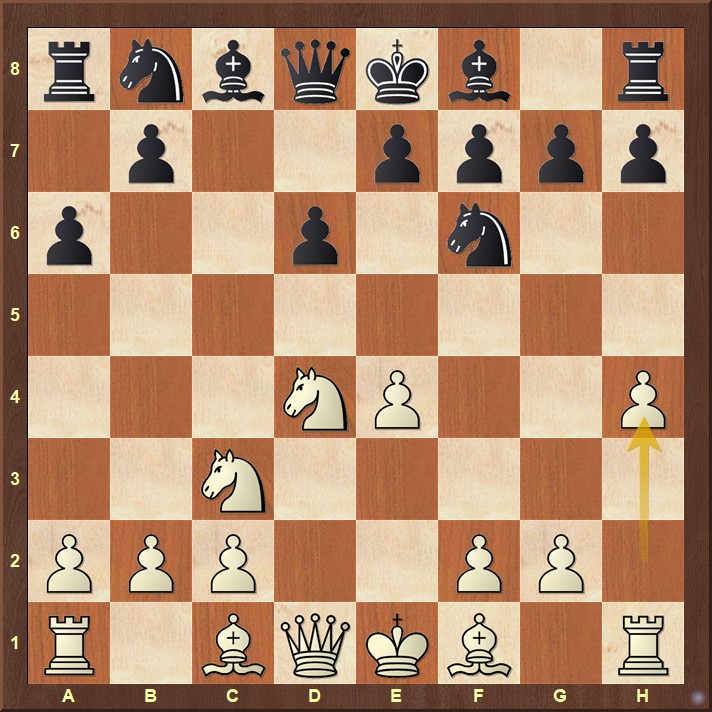
What happens once we step out of the comfort zone? At first, chaos. Then, possibility. Lots of them.
We learn patterns to understand them, and ultimately to break them. The board resists, but so does your resilience build. Structure is familiar, but invention requires shifting the understanding of the game entirely. Life works the same way. Most remain inside the box because it feels like home. Stepping outside looks reckless, until you suddenly make sense in hindsight. Then you gain some respect, finally.
Life thrives in whatever box you choose to inhabit. Pieces move, fulfill their function, crush or resign, so the show continues. Players get better, more experienced, more agile, but little changes on the board itself. Rigidity offers limited room for evolution.
The cycles repeat. The mindset remains. Sometimes you feel sorry for the pieces, living repetitive lives with no real chance at variety. But ultimately, choice is what separates wooden pieces from human players.
The former are bound by the geometry. The latter only by the courage to leave it.
You may also like
 WGM jovanaeric
Endgames In the Open
Endings force clarity. Perhaps this is why many people don’t enjoy studying or entering endgames, as… WGM jovanaeric
The Center Is Not Where Power Lies
Controlling the center often paints a target. WGM jovanaeric