Comments on https://lichess.org/@/totalnoob69/blog/did-you-know-lichess-can-do-this-puzzles-secret-level/IUdwFwph
Good
I always use the thumbs up if I understand the point of the puzzle and is clear. I think I’ve only used the thumbs down a handful of times. It is usually in situations where there are different options in the position and the puzzle expects you to go with one of those options.
I always use the thumbs up if I understand the point of the puzzle and is clear. I think I’ve only used the thumbs down a handful of times. It is usually in situations where there are different options in the position and the puzzle expects you to go with one of those options.
@braeden334 said in #3:
. It is usually in situations where there are different options in the position and the puzzle expects you to go with one of those options.
In my experience with these puzzles, I go into engine analysis and it easily refutes "the other line". :)
@braeden334 said in #3:
>. It is usually in situations where there are different options in the position and the puzzle expects you to go with one of those options.
In my experience with these puzzles, I go into engine analysis and it easily refutes "the other line". :)
Yeah I’ve had experiences where the puzzle move order is not necessarily the engine line. The evaluation is relatively even for the puzzle line and the other lines.
Yeah I’ve had experiences where the puzzle move order is not necessarily the engine line. The evaluation is relatively even for the puzzle line and the other lines.
@TotalNoob69 said in #1:
Comments on https://lichess.org/@/totalnoob69/blog/did-you-know-lichess-can-do-this-puzzles-secret-level/IUdwFwph
This is a great blog with many helpful informations.
A user ask the following question about puzzles in the General Chess Discussion Forum:
"Does consistently solving a massive volume of chess puzzles over a long period—like years—actually translate to measurable improvement in overall play, or is it just pattern-matching without deeper gains?"
Many ideas and questions came to my mind to answer this question and your blog answered many of them.
For some questions and ideas i would like to know your opinion.
-
The page https://lichess.org/training/openings shows the "Openings you played the most in rated games". In my case
Sicilian Defense, Philidor Defense, English Opening .... The overview shows puzzles for my favorite openings and in combination with an analysis of the weaknesses / mistakes i made in my favorite openings (Chess Insights + Analysis Board) this allows me to practice more effectively. Would you agree?
-
You wrote: "Then there is the move list. It's not just the moves in the puzzle, but the entire game until then. You can, and should, go back and see what the players were going towards. That may help or sometimes trick you into the same mindset the original player had, so pay attention."
Fantastic that you mention this possibility. I missed it in the answers i have read in the forum or blogs.
The questions that came to my mind when i try to solve puzzles are:
- what opening (especially my preferred openings) leads to this position?
- in which time control this happens? Was it a bullet game or classical? a huge difference in my opinion.
- do i play these time controls and openings?
- .....
What do you think about these questions. Do you have other ideas / questions for me?
@TotalNoob69 said in #1:
> Comments on https://lichess.org/@/totalnoob69/blog/did-you-know-lichess-can-do-this-puzzles-secret-level/IUdwFwph
This is a great blog with many helpful informations.
A user ask the following question about puzzles in the General Chess Discussion Forum:
"Does consistently solving a massive volume of chess puzzles over a long period—like years—actually translate to measurable improvement in overall play, or is it just pattern-matching without deeper gains?"
Many ideas and questions came to my mind to answer this question and your blog answered many of them.
For some questions and ideas i would like to know your opinion.
1. The page https://lichess.org/training/openings shows the "Openings you played the most in rated games". In my case
Sicilian Defense, Philidor Defense, English Opening .... The overview shows puzzles for my favorite openings and in combination with an analysis of the weaknesses / mistakes i made in my favorite openings (Chess Insights + Analysis Board) this allows me to practice more effectively. Would you agree?
2. You wrote: "Then there is the move list. It's not just the moves in the puzzle, but the entire game until then. You can, and should, go back and see what the players were going towards. That may help or sometimes trick you into the same mindset the original player had, so pay attention."
Fantastic that you mention this possibility. I missed it in the answers i have read in the forum or blogs.
The questions that came to my mind when i try to solve puzzles are:
- what opening (especially my preferred openings) leads to this position?
- in which time control this happens? Was it a bullet game or classical? a huge difference in my opinion.
- do i play these time controls and openings?
- .....
What do you think about these questions. Do you have other ideas / questions for me?
Thanks for the details reply, @Viohl !
-
I do agree that the personalized openings bit is one of the newer things that I forgot to mention. It's pretty cool. However it leads to puzzles in those openings, so I don't find it that useful.
Perhaps I should have mentioned that opening puzzles are not puzzles in the typical traps and pitfalls in that opening, but any puzzle that originated from a particular opening, which is not that dependent on the opening itself.
-
I am glad I helped.
As for your bullet questions:
- I do think it's important to see which openings lead to a position and I think this is an area that Lichess lacks. I've seen in a website recently, I don't remember its name, they had like a position search thing and it showed the percentage of games of each opening leading to that opening. Personally I would love a "reverse Explorer" that instead of showing the moves made from a position, it would show the moves that led to that position, but that would involve a lot of resources.
- not a problem for me because I would never play bullet :D Anyway, see the recent analysis in a Lichess blog post that showed increment has a higher correlation to conversion rate than initial time control.
- I understand now that these questions are specific to puzzles and now I begin to wonder if indeed I should pay more attention to the entire game that lead to that puzzle to gain insight about the opening and how people got there. It's an intriguing proposition. I never tried to classify the game, only try to understand the plan the player might have had before the position.
Thanks for the details reply, @Viohl !
1. I do agree that the personalized openings bit is one of the newer things that I forgot to mention. It's pretty cool. However it leads to puzzles in those openings, so I don't find it that useful.
Perhaps I should have mentioned that opening puzzles are not puzzles in the typical traps and pitfalls in that opening, but any puzzle that originated from a particular opening, which is not that dependent on the opening itself.
2. I am glad I helped.
As for your bullet questions:
- I do think it's important to see which openings lead to a position and I think this is an area that Lichess lacks. I've seen in a website recently, I don't remember its name, they had like a position search thing and it showed the percentage of games of each opening leading to that opening. Personally I would love a "reverse Explorer" that instead of showing the moves made from a position, it would show the moves that led to that position, but that would involve a lot of resources.
- not a problem for me because I would never play bullet :D Anyway, see the recent analysis in a Lichess blog post that showed increment has a higher correlation to conversion rate than initial time control.
- I understand now that these questions are specific to puzzles and now I begin to wonder if indeed I should pay more attention to the entire game that lead to that puzzle to gain insight about the opening and how people got there. It's an intriguing proposition. I never tried to classify the game, only try to understand the plan the player might have had before the position.
How did you get the piece set used in the screenshots? It looks like one of Hikaru's sets he uses on Chess.com and I can't find it on lichess.
How did you get the piece set used in the screenshots? It looks like one of Hikaru's sets he uses on Chess.com and I can't find it on lichess.
@Culveroin , that's LiChess Tools, the browser extension I am developing. Recently I've added custom piece sets, boards and sound themes due to popular demand.
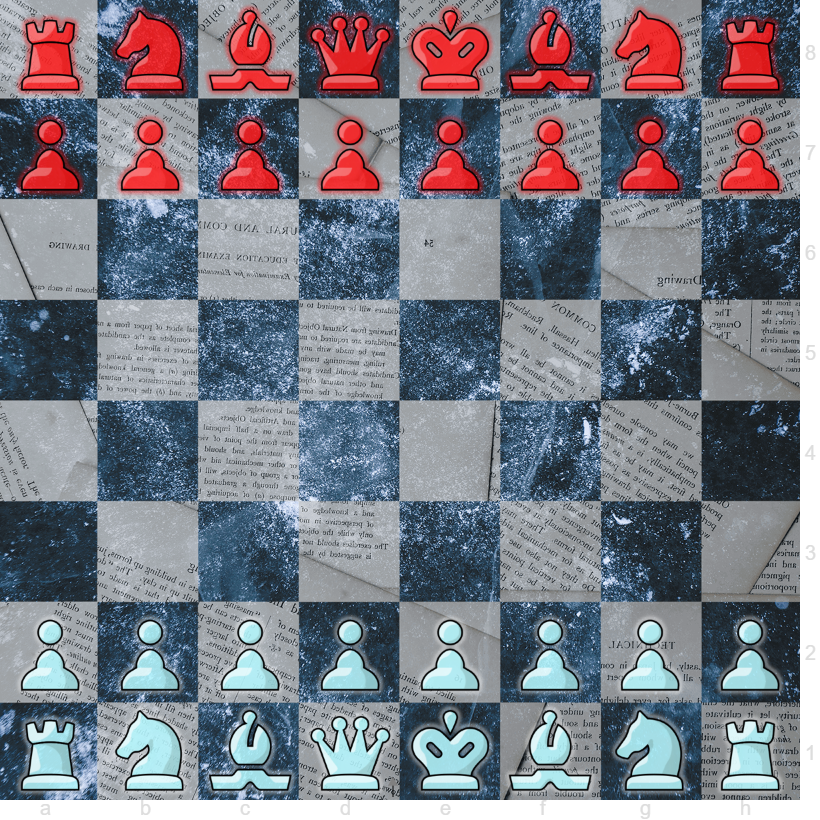
Better? :D
@Culveroin , that's [LiChess Tools](https://siderite.dev/blog/new-chrome-extension-lichess-tools/), the browser extension I am developing. Recently I've added custom piece sets, boards and sound themes due to popular demand.

Better? :D


