
Defeat the Vienna with no effort whatsoever
... bonus a very nice gambit (the post has been heavily updated, you might want to reread it)
Intro
There are many chess influencers promoting the Vienna opening and gambit. They are right as it's a pretty fun opening. But what if I told you that you can very easily blunt this opening in just two moves? Moreover, you can just as simply gambit a piece and then win!
There is a catch. You need to know your opponent is likely to play the Vienna, otherwise you will get into other lines. You are not worse in any of them, but going into them is outside the scope of this post.
Blunting the Vienna
White plays 1.e4 looking to play Nc3 next. You reply with 1...Nc6, the Nimzowitch Defense. White plays 2.Nc3 and you play 2...Nf6.
That's it! In this position White NEEDS to play 3. d4. Anything else equalizes.
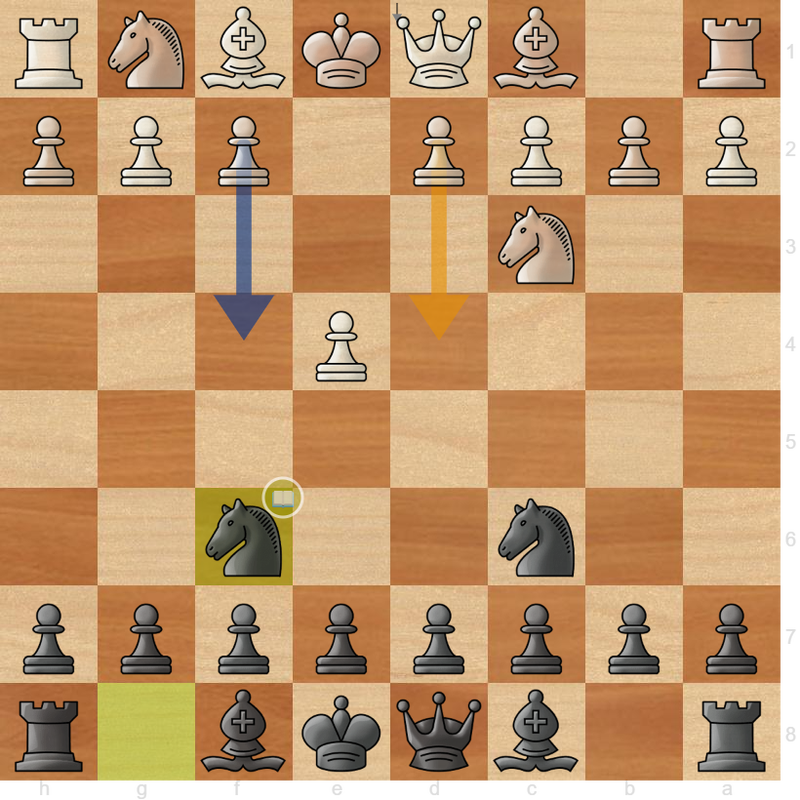
But they won't play d4 because they are Vienna players, so their next move is likely to be 3. f4!? leading to an evaluation of absolute zero. You have successfully equalized. Now just play chess with White's opening advantage completely gone.
The Gambit
The point of a gambit is to sacrifice material for position: getting open lines, destroying the opponent's pawn structure or putting their king in a position that is hard to defend. The vast majority of gambits are happening early in the game, usually by sacrificing a few pawns.
I give you... Siderite's Stalker gambit! Where you sacrifice a full bishop (and then a knight) and then you either play a pawn down in eval or win decisively. (Lichess study)
In quick succession, a combination of the best and the most played moves by 1800+ rated players in blitz or slower controls: 3...d5 4. e5 Ne4 5. Nce2 Bg4 6. d3 Nc5 7. h3 , (the biggest issue is the Nce2 move, which is best, but is played just 5% of the time) which gets us to the following position: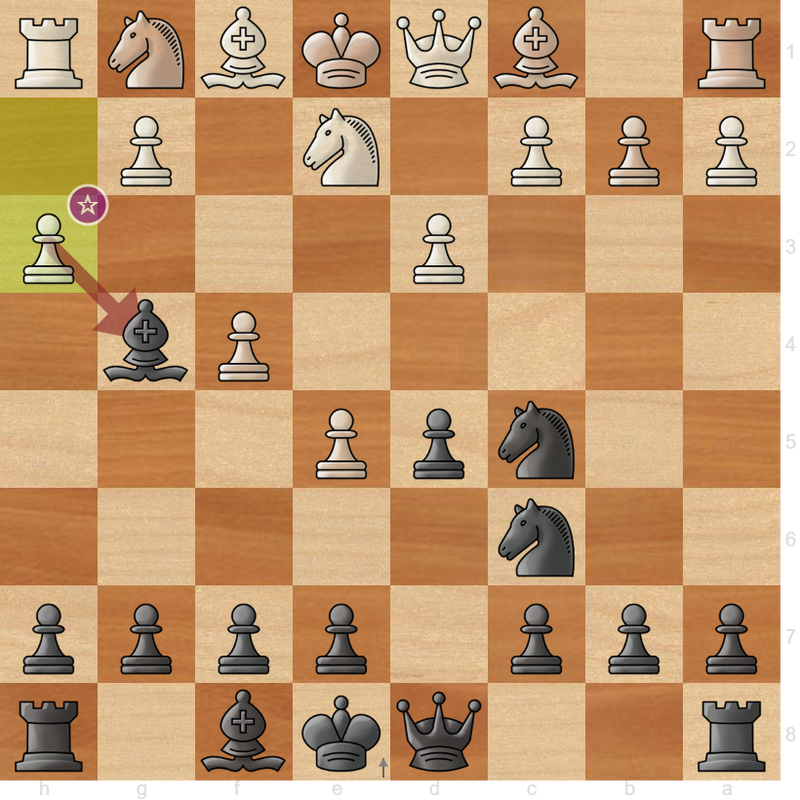
This position has been reached about 200 times by players rated 1800 or more and playing blitz or slower controls. The vast majority of times they took on e2. Only 9% of people went the way I propose.
White is threatening the bishop. It can either go to h5, which would get it trapped by g4 followed by f5, or somewhere on the g4-c8 diagonal. On that, f5 is met with g4, chasing the bishop, e6, blocking Black's pawns, d7 which is pretty meek and c8, which makes no sense. One can also capture on e2, which is what most people do, it makes the most sense. So we're going to go... 7... Bh5.
White responds with 8. g4 at which moment we will exclaim Oh no! My bishop! and play 8...e6. This is the critical position of the gambit: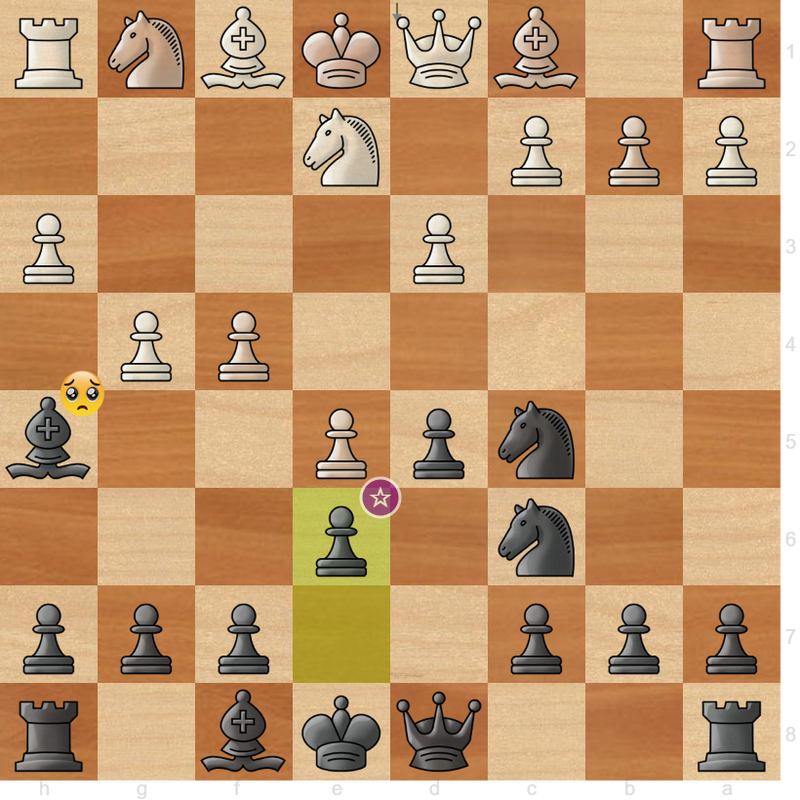
The evaluation is +1 for White and our bishop is en prise. Our threat is pretty obvious, which means that a more seasoned player will probably improve their position, defend h4 or do something else than capture your bishop. Yet that bishop looks very juicy and it has one square to go to, meaning not capturing it requires some calculation.
You can be proud of the 1800+ blitz+ players of Lichess, because to their merit they only capture the bishop 4 times out of 12. The key move is 8.Ng3, which was never played, but even in that situation the evaluation is just +1. A true and solid gambit! 8.Nf3 also works, which is what people will play if not taking, but then the evaluation is +0.6.
But what happens if they do capture? Then the eval turns -4 and you win. Let's see how what goes.
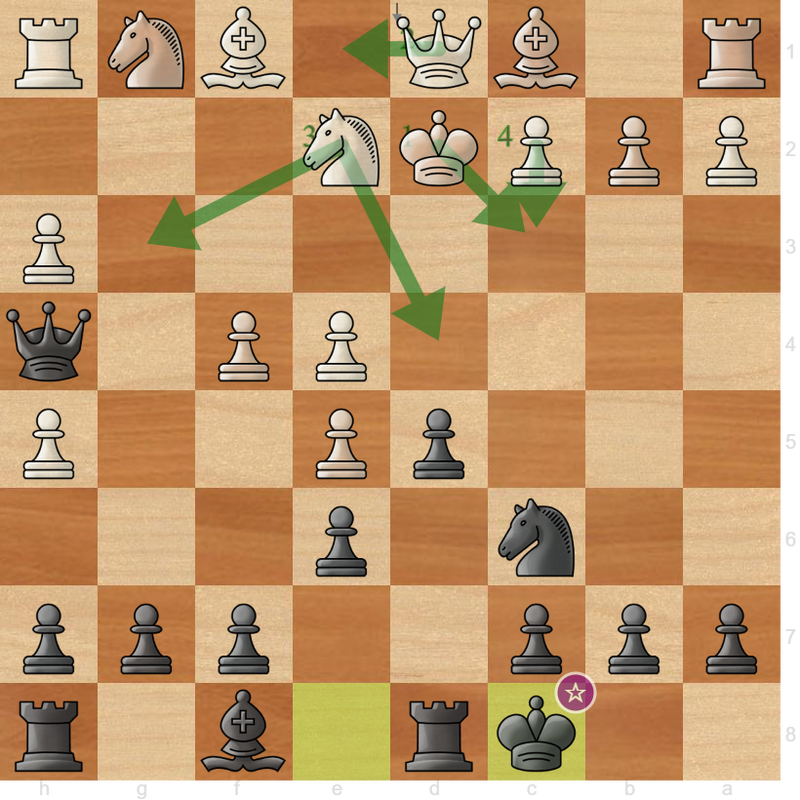
Above are the 5 moves Stockfish gives as best for Black. Kc3 is best, with -4 evaluation. The rest are -5.
No one got to this position in the Lichess database, maybe you will be the first! But do analyse yourself the resulting positions and how to win. This is not one of those "opponent takes a piece and you mate in 2" things, it's a very instructive position that requires attention, but it's overwhelmingly winning.
9.Nf3
What if they do play 9.Nf3, then? The best move is 9...Bg6 and go from there. But you can really go all in with the Double Stalker gambit! He he he! Now I am just naming everything. Just stop it.
Here is the line: 9. Nf3 Be7?! 10. gxh5 Bh4+ 11. Nxh4 Qxh4+ 12. Kd2 Ne4+ 13. dxe4 O-O-O. It's the same, right? Well, no. Because of the missing bishop, the White king can find safety, but ONLY if they find the move 14.Ke3! Kc3 and Nd4 lead to equality, everything else is losing.
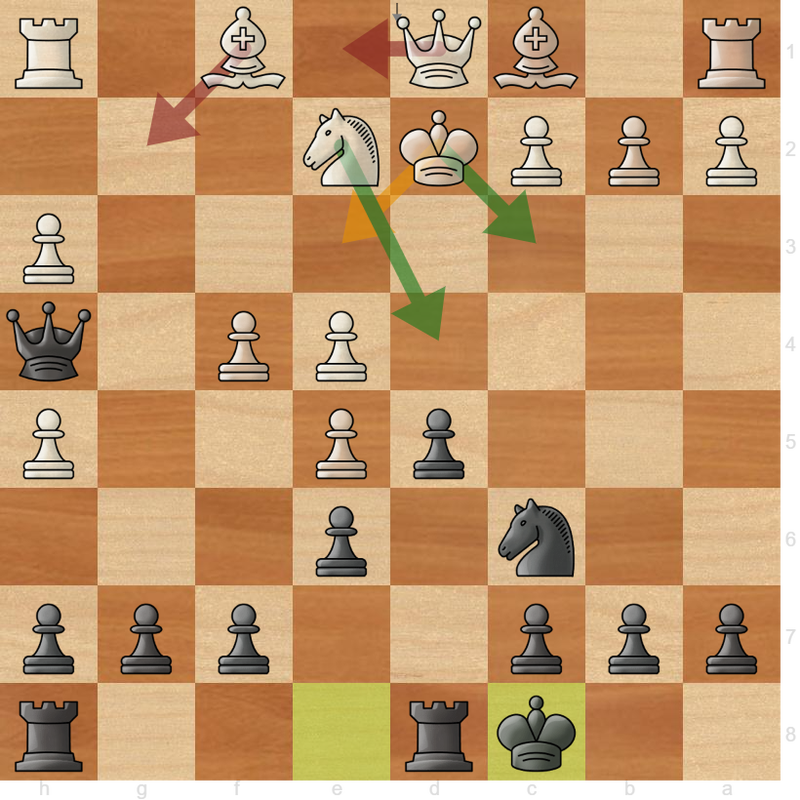
In the original line, 12.Ke3 would have been a terrible blunder, but without the dark squared bishop, nothing can attack it there. The eval is +3 and that in all the lines. No more tricks. However, we can change the move order a little. Instead of saccing the knight in this line, we long castle first. The eval is still a stable +1.5, but at least we're still in the game and the next move will most likely be Ne4+.
Let's say they know the theory because they are avid readers of my blog and know about Ke3. It's almost the best move anyway and we don't want to drag on. Then we try to open lines as fast as possible towards their king with f6 or g5 pushes. If they ignore our move, White keeps their rating, but if they take, trying to hold on to their f4 pawn, we're back to almost equal. e5! attacking f4. And now they have to ignore our threat again and play Rg1. Anything else puts us in the lead!
Here is a longer likely line - the rest I leave for your analysis: 9. Nf3 Be7 10. gxh5 Bh4+ 11. Nxh4 Qxh4+ 12. Kd2 O-O-O 13. Ke3 ...
More analysis
This section and the one above were added after the original publication of the blog post. I looked into games with this positions (I am talking 2500 rated players here) and found some interesting tidbits to share.
- You can get to this position from the Alekhine's Defense, Scandinavian version: 1. e4 Nf6 2. Nc3 d5 3. e5 Ne4 4. Nce2 Nc6 5. d3 Nc5 6. f4 Bg4 7. h3 , where it's even more likely to happen.
- 10...Ne4+ is not only brilliant, but it's the only move! So saccing the knight is not optional. Same for the long castle. It's not just a flourish, it's essential.
As I receive feedback, I sometimes update the Lichess study, so try looking at what I've put there.
Conclusion
In just two moves the evaluation advantage of the Vienna is eliminated. If you play 4...d4, the best move, the stats show 53% win for Black. Yet if you are adventurous and want to completely humiliate your opponent, go for the Stalker gambit, it's going to be extremely fun either way.
Let me know how it goes!
You may also like
 TotalNoob69
The REAL value of chess pieces
... according to Stockfish TotalNoob69
An unexpected insight on d-pawn pushes/openings
TL;DR; Pushed d-pawns indirectly defend the second rank f square. CM HGabor
How titled players lie to you
This post is a word of warning for the average club player. As the chess world is becoming increasin… TotalNoob69
How to blog on Lichess
... learn by expressing Kevin_M06
Deep Analysis of Lichess Puzzles
Ahh... Lichess puzzles. Don't we love them? thibault