
Elite Chess
Elite Chess Lessons with GM Vladimir Georgiev
What separates average players from masters?
As always, opinions are my own, not those of Lichess.org.
Today, visiting GM Georgiev kindly offered our local club and nearby high school students 2 lectures and a simultaneous exhibition! He encouraged us all to boldly answer challenging questions during his lectures, and we enjoyed friendly banter during the simul. I sense a kindred spirit, as he repeats familiar messages which I too have been repeating throughout my decades of teaching...
1. How many types of evaluation are there?
- Chess literature has mixed opinions on this; however, Stockfish concurs with world champion Euwe and IM Kramer on how many types of evaluation there are...
The Middlegame, Book 1: Static Features (referred to as "permanent"; values which don't change)
The Middlegame, Book 2: Dynamic & Subjective Features (referred to as "temporary"; values which do change)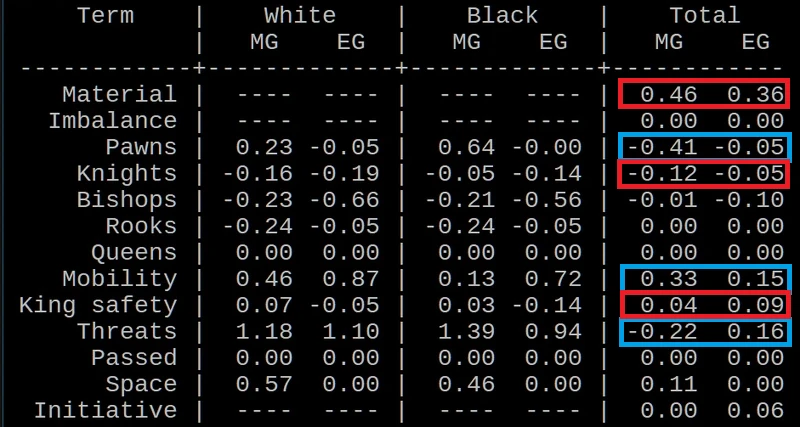
2. How should you play middlegame positions?
- Evaluate the position. Seek out and exploit weaknesses, even if this takes some time, energy, and practice/discipline. The better you understand a position, the better you can identify mistakes in your opponent's play or at least set some long-term plans before searching for candidate moves which can facilitate those plans.
3. Why do endgames matter?
- The closest games with the most time pressure are decided in the endgame. See my pitch at team The Endgame Church!
- Strong players could negate your opening preparation and win with 1... a6 or other irregular openings if they have a solid understanding of endgames.
4. How should you play endgame positions?
- Play with a plan. In practice, passive defense never works, no matter how many books or other lessons encourage players to think of endgames as something simple to learn. Of course there are endgame fundamentals, however serious tournament players need to be able to navigate an ocean of complex endgames which are too complex to calculate in a timed game.
- If you are uncertain about how to evaluate an endgame position, passive play will always fail; and even if you are certain about how to evaluate it, you will still lose by mis-calculating while attempting to passively defend. The king is a fighting piece; use it!
- I'd stop slightly short of Georgiev's advice, "Always push passed pawns," and instead recommend, "Always seriously consider pushing passed pawns." Pawns are slow, but you can't win endgames without pushing them... however, if you push them too early your opponent's pieces will crush your position and then take your pawns. If you lack a plan, well... pushing pawns where you are strongest is an obvious plan.
It's been years since I last faced an IM or stronger, so I avoided my usual "no evaluation, pure chaos" mad attacking style for most of the game.
Photo credit: Elite Chess
You may also like
 IM theScot
Life Hacks for Getting to IM
A post about the life-skills that help you in chess. CM HGabor
Effective training methods - doing tactics
My previous post was about chess training in general. We will dive into the details now. So, what yo… NDpatzer
Science of Chess: How does chess calculation depend on words vs. pictures?
Thinking ahead over the board requires maintaining some description of the position in your mind, bu… IM theScot
50 Shades of Blunders
A post about why blunders happen to all of us, even though they shouldn't. Toadofsky
Hope Chess Is Better Than Hopeless Chess
"Only the player with the initiative has the right to attack." - Wilhelm Steinitz Toadofsky